Against the Machinery of Power: Deconstructing the Manufactured Heroism of Gary I. Gordon and the Black Hawk Down Myth
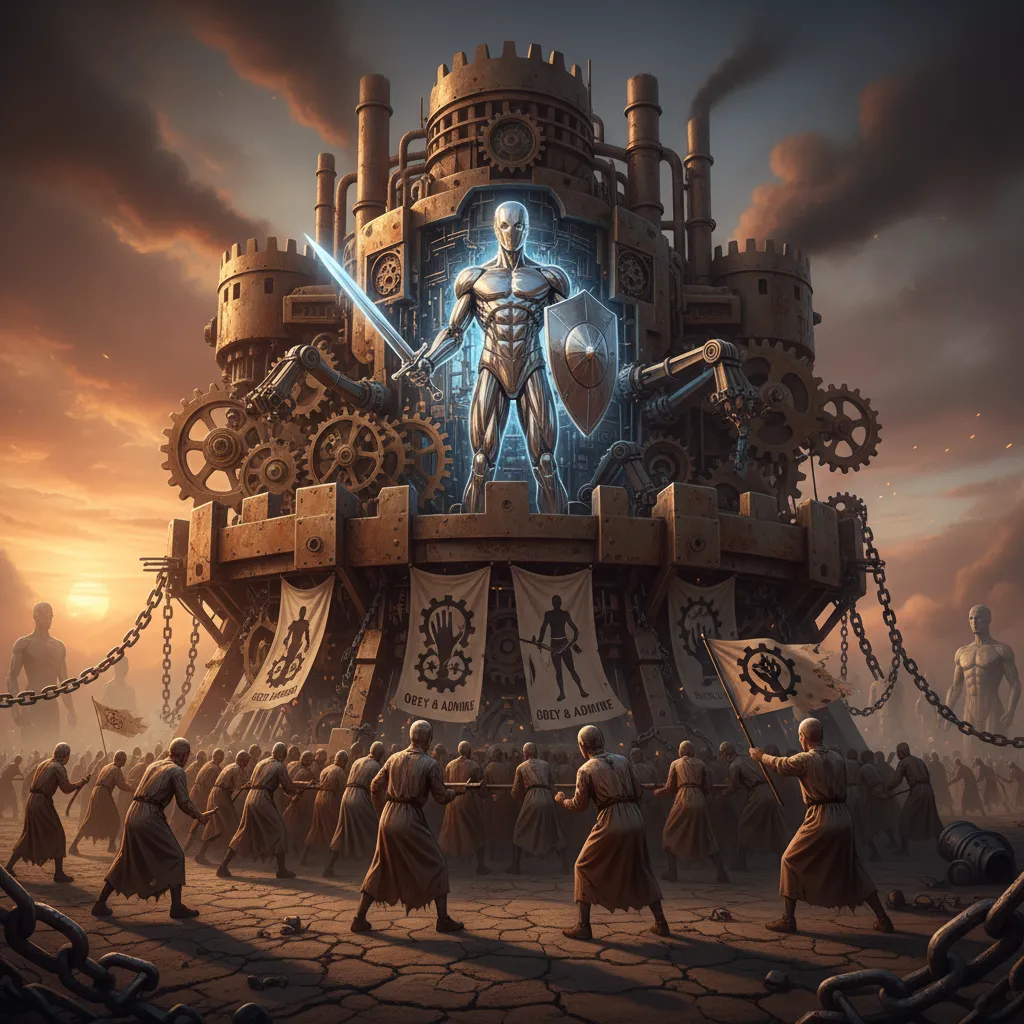
I still remember the first time I saw a photo of Gary I. Gordon, face etched in concentration, framed by a manufactured narrative of sacrifice. I felt that familiar tug—part inspiration, part uneasy doubt. Recently, as Fort Eisenhower was conspicuously renamed 'Fort Gordon,' I realized: every renaming, every ceremony, is a ritual of power—a desperate rebranding exercise in the service of State ideology. And this narrative, wrapped in tragedy and valor, is anything but accidental. As I reflect on 'Black Hawk Down' and Gordon’s legacy, I can’t help but see the gears of propaganda, the co-option of individual courage, and the camouflage of imperial interests beneath the sheen of honor. Today, I want to pull back that curtain.
1. From Humanitarian Rhetoric to State Violence: The Real Terrain of Mogadishu
As I reflect on the U.S. intervention in Somalia, I am struck by how the story we tell ourselves—about heroism, sacrifice, and humanitarian mission—often hides the more complicated reality beneath. The official narrative, especially in the wake of the Battle of Mogadishu 1993, frames our entry into Somalia as a selfless act to save lives. Yet, as Lenin reminds us, “Imperialism is the highest stage of capitalism” and “Every State is founded on force.” The humanitarian mission Somalia 1992 was never just about food and relief; it was the opening act in a much larger drama of state violence and military occupation.
When U.S. troops first landed in Somalia in December 1992, the world saw images of starving children and desperate families. The media, echoing government statements, described the operation as a moral duty—an urgent response to famine and civil war. I remember feeling pride in our willingness to help. But the story quickly changed. By October 1993, the Battle of Mogadishu was not about delivering aid. It was a fierce urban conflict, with U.S. forces locked in deadly combat against the militia of Mohamed Farrah Aidid. Thousands of Somali civilians were caught in the crossfire, their suffering barely mentioned in American coverage.
Looking back, I see how the language of humanitarianism became a mask for something much harsher. The humanitarian mission Somalia 1992 set the stage for a rapid escalation. Food convoys and relief operations gave way to armored vehicles, helicopter gunships, and house-to-house fighting. The logic of aid was replaced by the logic of military occupation. In the words of Lenin, “Every State is founded on force.” Our presence in Mogadishu was no longer about feeding the hungry; it was about asserting control, protecting interests, and projecting power.
The Black Hawk Down incident is often remembered as a story of courage and brotherhood. And it is true—there was real bravery on those streets. But there is another side to the story. The event became a spectacle, a carefully managed narrative in which U.S. soldiers were both actors and martyrs in a state-controlled theatre of violence. The reality of state violence Somalia was hidden behind images of valor and sacrifice. The actual Somali people—those we claimed to help—were pushed to the background, rendered as nameless figures in a Western drama.
I cannot ignore how quickly the humanitarian mission was subordinated to military priorities. The U.S. military became the muscle behind political and economic interests, enforcing order through overwhelming force. The suffering of Mogadishu’s civilians—thousands killed or wounded—was rarely acknowledged in our official stories. Instead, we celebrated the heroism of our own, while the voices of Somalis faded into silence.
- The media framed the U.S. entry as a rescue mission, but the reality was far more complex.
- The Battle of Mogadishu 1993 was a turning point, exposing the shift from relief to occupation.
- State violence was hidden under a mask of humanitarian concern, as Lenin warned over a century ago.
- Somali civilians became objects for Western consumption, their stories lost amid the spectacle of U.S. military heroism.
As I revisit these events, I am reminded that the machinery of power is always at work, shaping how we remember and what we choose to forget. The real terrain of Mogadishu was not just a battlefield of courage, but a landscape marked by the collision of humanitarian rhetoric and state violence.
2. Constructing the Hero: Commodity Fetishism and the Gary Gordon Myth
As I reflect on the story of Gary Gordon and the Black Hawk Down incident, I am struck by how his legacy is shaped, packaged, and presented to us. The Gary Gordon Medal of Honor narrative is not just about honoring a man’s sacrifice—it is also about how heroism is turned into a product, sold back to us as inspiration, and used to reinforce the State’s power. If you look closely at Medal of Honor ceremonies, you’ll see commodity fetishism at work: bravery is packaged, branded, and sold back to us as inspiration (Marx, 1867).
When I watched the recent renaming ceremony at Fort Gordon, I felt genuine pride. Yet, I also noticed how the story of Gary I. Gordon Medal of Honor is abstracted from the real, messy context of war. His body becomes a symbol, his story a commodity for State consumption. The official rituals, the speeches, the medals—they all serve to transform individual sacrifice into a sign, a brand, a piece of national identity. The relentless repetition of the “never leave a fallen comrade” mantra, echoed in every military event, turns collective trauma into a product: something we consume for inspiration, unity, and even profit.
The Black Hawk Down incident is a perfect example of this process. Gary Gordon and Randy Shughart’s selfless valor—volunteering to rescue a downed crew in the face of overwhelming danger—has become the highest example of military hero legacy. Both men were posthumously awarded the Medal of Honor, their courage echoing through history. But the story doesn’t end there. It is repackaged again and again: in films like Black Hawk Down (2001), in books, in memorials, and in every retelling at military ceremonies. Their sacrifice is lifted out of the chaos of Mogadishu and turned into a clean, inspiring narrative. The real material suffering—Michael Durant’s captivity, the deaths of Gordon and Shughart—is co-opted as State property, occluding the actual costs of war.
I see this most clearly in the way the Gary Gordon Medal of Honor story is used to reinforce the State’s narrative of self-sacrifice and redemption. Michael Durant’s survival and ordeal are not just personal tragedies; they become part of a larger myth. The State takes these stories and uses them to build a sense of unity, pride, and purpose. The Medal of Honor itself—the highest state-sanctioned recognition—is tightly controlled by military logic. It is awarded in ceremonies that are carefully choreographed, with every detail reinforcing the message that the State values and rewards ultimate sacrifice.
This process is not unique to Gary Gordon or Randy Shughart. It is part of a larger pattern, where the stories of military heroes are continually repackaged in cultural products—films, memorials, and rituals that reinforce State power. As Marx and Engels wrote, “
The bourgeoisie has torn away from the family its sentimental veil, and has reduced the family relation to a mere money relation.” (1848/2004, p. 11). In the same way, the relationship between the hero and the nation is stripped of its complexity and turned into a simple transaction: sacrifice is exchanged for honor, and that honor becomes a commodity.
Through this lens, the legacy of Gary I. Gordon Medal of Honor and Randy Shughart Medal of Honor is both inspiring and troubling. Their courage is real, but the way it is used—branded, sold, and consumed—raises important questions about how we remember, honor, and use the stories of those who serve. The machinery of power turns individual acts of bravery into products, shaping our understanding of military hero legacy and the true costs of war.
3. Ceremony, Memory, and the Legitimation of State Violence: The Fort Gordon Renaming
As I stood among the crowd at the recent Fort Gordon renaming ceremony, I felt the weight of history pressing in from all sides. The event was solemn, dignified, and deeply moving—Carmen Drake-Owens, Gary I. Gordon’s widow, and their son Ian stood at the center, surrounded by generals, soldiers, and families. The air was thick with reverence as the old name, Fort Eisenhower (itself a recent rebranding of Fort Gordon, once named for Confederate General John B. Gordon), was officially replaced with the name of Master Sgt. Gary I. Gordon. The Fort Gordon dedication was not just a tribute to a single act of heroism, but a ritualized moment designed to renew the legitimacy of the State and its military machinery.
It is easy to be swept up in the language of unity and sacrifice that fills these ceremonies. The story of Gary Gordon and Randy Shughart—volunteering to descend into the chaos of Mogadishu, fighting through impossible odds to save a comrade, and ultimately giving their lives—has become a touchstone for American military myth-making. Their courage is real, their sacrifice undeniable. Yet, as I reflect on the spectacle, I cannot ignore the deeper function such ceremonies serve.
Military ceremony critique reveals that these rituals are not just about honoring the fallen. They are about rewriting the narrative of power. The urge to destroy—to erase the stain of Confederate legacy from our military bases—is paired with a creative urge to build new myths, as Bakunin observed:
"The urge to destroy is also a creative urge." (Bakunin, 1842)
By replacing the name of a Confederate general with that of an imperial martyr, the State swaps one form of oppression for another. The violence of the past is not erased, only rebranded. The Fort Gordon renaming ceremony becomes a stage for the State to perform its own renewal, presenting itself as just, unified, and heroic—while quietly redirecting attention away from the material realities faced by those who serve.
The presence of grieving families and the solemn words of generals serve as a kind of anesthetic, dulling the contradictions at the heart of Empire. The spectacle of honor conceals the expendability of the individual. We are told that Gary Gordon’s legacy lives on in every act of bravery and every effort to support military families. Yet, even as we celebrate resilience and unity, how many military families struggle to make ends meet? While millions are spent on ceremonies and rebranding, troops and their loved ones face government shutdowns, delayed pay, and the need to rely on WIC or SNAP benefits.
Yes, there are gestures of support—like the $400,000 in Fisher awards given to five nonprofits, or the extended commissary benefits for military families. But these are bandages, not solutions. The real work of care is left to charities and the resilience of the community itself, while the State invests in the maintenance of its own myth.
In this light, the Fort Gordon dedication is not just a commemoration, but a ritual of ideological reproduction. It updates the nationalist myth for a new generation, teaching us to see sacrifice as noble and necessary, rather than questioning the machinery that demands it. The language of the Ranger Creed—“Never shall I fail my comrades… I will never leave a fallen comrade to fall into the hands of the enemy”—becomes both a promise and a trap, binding us to a cycle of violence and remembrance that serves the interests of power.
As I reflect on the ceremony, I am left with a sense of unease. The renaming of Fort Gordon is a daily reminder—not just of courage and unity, but of the way ceremony and memory are harnessed to legitimize state violence, masking the true cost paid by those who serve.
4. Alienation and the Military Community: The Cost of the Hero Myth
As I reflect on the legacy of Master Sgt. Gary I. Gordon and the story of “Black Hawk Down,” I am struck by the powerful image of heroism that is so often celebrated in our military culture. The courage and sacrifice of Gordon and Shughart are undeniable, and their actions continue to inspire me and countless others. Yet, beneath this hero myth lies a deeper, more troubling reality—one that too often goes unspoken. The truth is, while we honor the hero’s sacrifice, the daily lives of military families are marked by struggle, uncertainty, and a sense of alienation from the very society they serve.
Government Shutdowns and the Hidden Cost to Military Families
The threat of a government shutdown is not just a political talking point—it is a source of real anxiety for those in uniform and their loved ones. When pay for troops was threatened on October 15 and November 1, I saw firsthand how military families were forced to make impossible choices. Many turned to WIC and SNAP benefits just to put food on the table. The promise of “support” from the nation often feels hollow when basic needs go unmet, and families must rely on sporadic charity or nonprofit aid to survive.
- Pay delays: October 15 & November 1—direct impact on military households
- Food insecurity: Growing reliance on WIC, SNAP, and discounted meals at Department of Defense schools
- Temporary relief: Commissaries offering interest-free purchases, but only as a stopgap
While the military invokes “resilience” as a core value, it can sometimes feel like a way to gloss over the real, daily violence of precarious labor and social atomization. The hero’s image becomes a kind of compensatory ideology—offering pride and recognition, but masking the structural vulnerabilities that define military life.
Charity and the Limits of “Support”
I am grateful for the generosity of military-related nonprofits, like the five organizations recently awarded $400,000 through the Fisher awards. These programs make a difference, providing innovative support for troops, families, and veterans. But charity is not a substitute for justice. It cannot replace the security and dignity that should come from stable pay, reliable healthcare, and a society that truly values its defenders.
As Bakunin once said,
“Freedom without Socialism is privilege and injustice; Socialism without freedom is slavery and brutality.”This quote resonates with me as I witness the gap between the hero myth and the lived experience of military families. We celebrate freedom and sacrifice, but too often, that freedom is reserved for those outside the ranks, while injustice persists within.
Tricare for Life and the Illusion of Comprehensive Care
Programs like Tricare for Life are often highlighted as evidence of our nation’s commitment to military hero sacrifice and care for veterans. Recently, there has been a renewed focus on welcoming Tricare for Life patients at 21 military treatment facilities. While this is a positive step, it also serves to obscure a broader failure to address systemic needs. Many retirees still struggle to access timely, quality care, and the celebration of these programs can distract from the ongoing challenges faced by those who have given so much.
- Tricare for Life patient care: Improved access, but persistent gaps remain
- Nonprofit support: Important, but not a replacement for systemic solutions
The cost of the hero myth is real. It is measured not just in medals and ceremonies, but in the everyday struggles of military families—struggles that are too often hidden behind the image of valor and resilience. As we honor the sacrifices of heroes like Gary Gordon, we must also confront the alienation and unmet needs within our own military community.
5. Resisting State Mythology: Imagining True Solidarity Beyond the Uniform
As I reflect on the military hero legacy of Gary I. Gordon and Randy Shughart, I am moved not only by their sacrifice and valor in military history, but by the deeper meaning behind their actions. The Ranger Creed—“Never shall I fail my comrades… I will never leave a fallen comrade to fall into the hands of the enemy”—is often held up as the highest expression of military values. Yet, I believe there is a radical potential within these words, a seed of real solidarity that goes far beyond the boundaries of State mythology.
Too often, the stories of our heroes are taken up by the machinery of power, used to justify further violence or to sanctify the State itself. The courage of Gordon and Shughart is recast as a tool for recruitment or as a symbol of national pride, their pain and sacrifice enlisted into a narrative that serves authority, not the people. But what if we could reclaim their legacy? What if we could see their acts of brotherhood not as obedience to command, but as a living example of military resilience and solidarity—a loyalty to one another above all else?
Bakunin’s words echo in my mind:
“We are convinced that freedom without Socialism is privilege and injustice, and that Socialism without freedom is slavery and brutality.” (Bakunin, 1872/1980, p. 94)This reminds me that true solidarity is not about following orders, but about standing together against any force that would grind us down—even if that force is the very system we serve. Real “never leaving a comrade behind” would mean refusing to let the machinery of war turn our friends into martyrs. It would mean building networks of mutual aid, supporting each other through hardship, and refusing to let our pain be used as fuel for more violence.
The story of Gordon and Shughart, if we strip away the layers of State ownership, reveals something powerful: the possibility of horizontal solidarity. Their loyalty was to each other, to their comrades, not to abstract authority. This is the spirit that lives on in every act of support for military families, every effort to care for veterans, and every moment when we choose unity over division. It is the same spirit that drives communities to organize food banks, offer interest-free commissary purchases, and ensure that no one is left behind—even when government shutdowns threaten to disrupt lives.
Our challenge, then, is to resist the enlistment of heroism into State mythology. We must honor the courage of our heroes by refusing to let their sacrifices be used to justify more war or to sanctify the machinery of power. Instead, we can imagine a new kind of solidarity—one that is lived, not performed. This means direct action, mutual aid, and a collective refusal to let our pain be turned into symbolic violence.
What if we remembered Gary Gordon not as the property of the State, but as a symbol of natural liberty confronting violence? What if we saw him, and all those like him, as fighters for freedom against all chains—whether those chains are forged by foreign enemies or by the systems that send us into harm’s way? The Ranger Creed military values can be more than words; they can be a call to build a world where no one is left behind, not just on the battlefield, but in every corner of our lives.
As I look to the future, I am inspired to carry forward this spirit—not as a tool of the State, but as a living commitment to real solidarity. The legacy of Gordon and Shughart is not just a story of sacrifice and valor in military history. It is a daily reminder to strive for courage, unity, and selflessness—not for authority’s sake, but for each other. This is how we honor the past and build a future where true solidarity lives beyond the uniform.
TL;DR: The official narrative of Gary I. Gordon's 'heroism' isn’t just a story—it's a tool of State and Capital, designed to mask power, justify violence, and perpetuate military myths. It's time to break the spell.