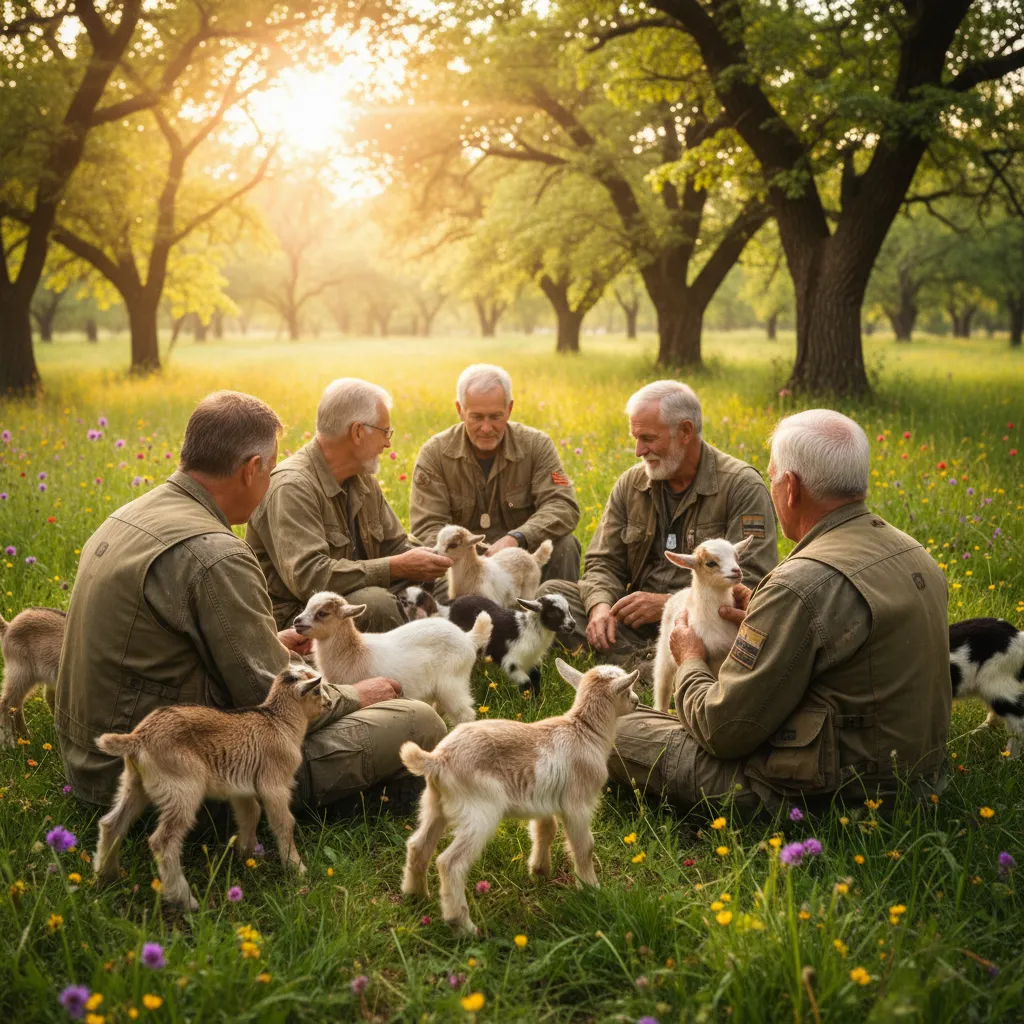
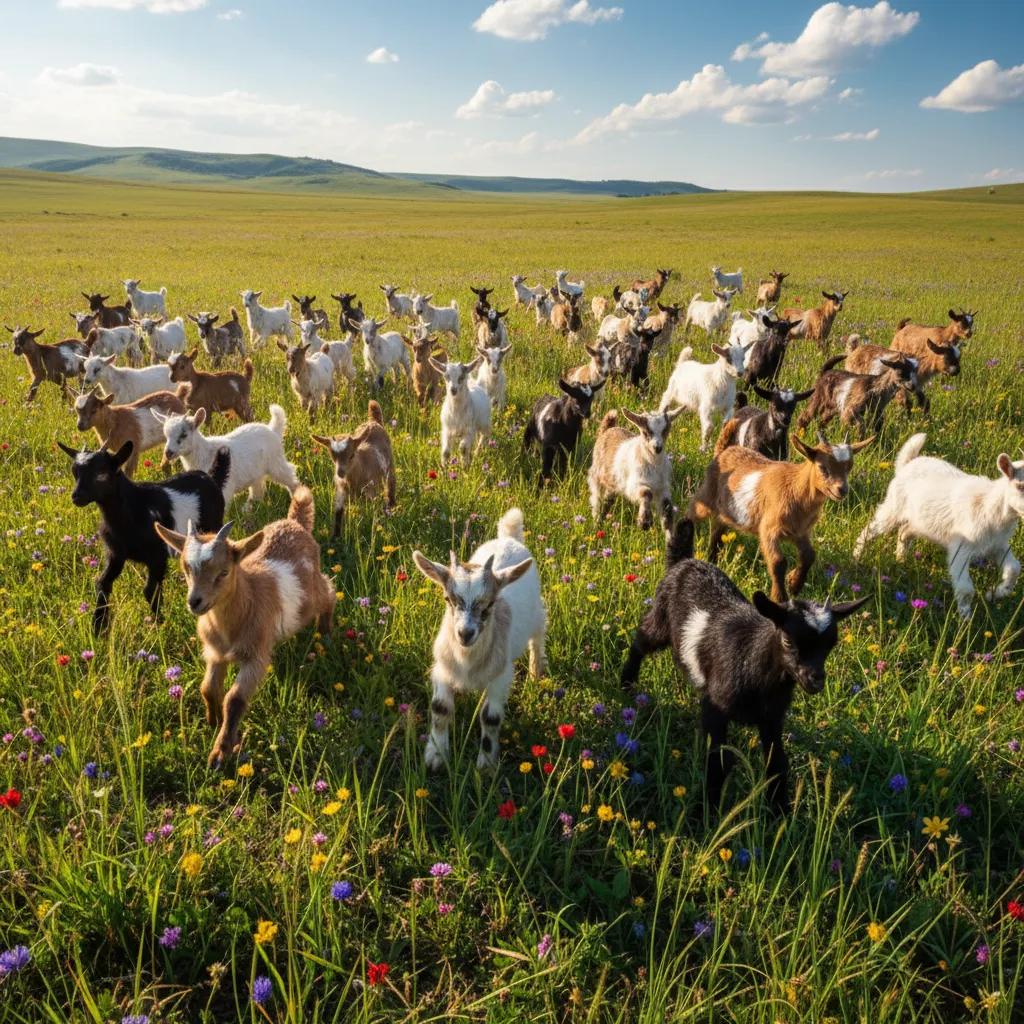
If someone told you that baby goats could help a combat veteran smile again, would you believe them? It sounds whimsical—almost too storybook to be real—but a growing movement in rural Michigan is betting that playfulness and fresh air can succeed where medicine sometimes falls short. Picture this: a burly Marine trudging through a dewy pasture, flanked by bounding, bleating baby goats. This isn’t just a quirky Instagram moment. It’s a genuine, research-backed experiment in healing. In this post, we’ll wander through fields, dig into recent findings, and meet a few local heroes—both two-legged and four—proving that sometimes, the best medicine comes with hooves.
Beyond Service Dogs: Getting Personal with Unlikely Therapy Partners
When most people think of animal-assisted therapy for veterans, service dogs often come to mind. However, recent research and local initiatives in rural Michigan are shining a light on a new, unexpected ally: baby goats, also known as kids. These playful animals are emerging as valuable therapy partners for post-9/11 veterans facing challenges like PTSD and anxiety.
Unlike larger therapy animals, baby goats offer a unique blend of approachability and charm. Their small size and gentle, curious nature create a low-pressure, inviting environment—especially important for veterans who may feel hesitant or overwhelmed by traditional therapy settings. The presence of goats can help break down emotional barriers, making it easier for veterans to engage and connect.
Playful Nature: Baby goats are naturally energetic and affectionate. Their antics—jumping, nuzzling, and exploring—often draw smiles and laughter, even from those who have struggled to find joy.
Manageable Size: Their small stature makes them less intimidating, encouraging gentle interaction and hands-on care such as feeding and grooming.
Non-Judgmental Companions: Goats do not judge or expect anything in return, which helps veterans feel accepted and safe.
One powerful example comes from the Dream Goats program in Belding, Michigan. A case anecdote from the research describes a veteran who was initially skeptical about participating in a goat walk. During his first session, he found himself laughing out loud as a baby goat gently tugged at his shoelaces—a moment of spontaneous happiness his wife later shared she had not witnessed in years. This simple interaction became a turning point, opening the door to further engagement and emotional healing.
Recent studies, including those by Kalvesmaki et al. (2023) and Sayer et al. (2023), support these observations. The research highlights that interacting with goats can lower stress hormones, reduce anxiety, and spark genuine moments of joy. These benefits are especially meaningful in rural communities, where access to traditional mental health services may be limited and where farm-based activities fit naturally into the local lifestyle.
As animal-assisted therapy continues to evolve, baby goats are proving that healing can come from the most unlikely partners—sometimes, all it takes is a little curiosity and a gentle nudge from a four-legged friend.
Farm Fields over Four Walls: Exploring Nature’s Impact on Mental Health
Traditional clinical environments, with their sterile walls and rigid routines, can often feel confining for veterans coping with trauma. For many post-9/11 veterans, these settings may even heighten feelings of anxiety or detachment, making it difficult to fully engage in the healing process. In contrast, the open landscapes of rural Michigan offer a refreshing alternative. Here, programs like Dream Goats in Belding provide a unique blend of animal-assisted therapy and nature immersion, creating a space where healing feels both gentle and accessible.
Research highlighted in the 2025 graduate-level study shows that farm fields and animal interaction offer a powerful antidote to the limitations of traditional therapy. Instead of sitting in a therapist’s office, veterans participate in Goat Walks—guided strolls across grassy pastures, accompanied by playful baby goats. This activity combines physical exercise with emotional regulation, delivering a double benefit. As veterans walk, their bodies engage in light movement, which is known to reduce stress and improve mood. At the same time, the presence of curious, affectionate goats encourages spontaneous moments of joy and connection, helping to ease symptoms of anxiety and depression.
The impact of nature itself should not be underestimated. According to studies by Kalvesmaki et al. (2023) and Sayer et al. (2023), exposure to rural settings and wildlife is linked to measurable reductions in anxiety and depression. The sensory experience of being outdoors—feeling the sun, hearing the rustle of leaves, and watching animals interact—stimulates the senses and grounds participants in the present moment. This immersion in the natural world can be especially meaningful for veterans who have spent years in high-stress, urban, or combat environments.
Gentle exposure to healing: Open fields and animal interaction provide a less intimidating path to recovery for trauma survivors.
Physical and emotional benefits: Goat walks blend exercise with emotional support, helping regulate mood and reduce stress.
Community and belonging: Participation in farm-based activities fosters a sense of connection, combating the isolation many veterans feel after service.
Nature’s therapeutic effect: Structured farm activities are associated with lower anxiety and depression, as supported by recent research.
By stepping outside the four walls of a clinic and into the embrace of nature, veterans discover new avenues for healing—ones that nurture both body and mind.
From Isolation to Community: The Unexpected Power of Group Animal Therapy
For many post-9/11 veterans living in rural Michigan, the transition from military service to civilian life is marked by profound feelings of isolation and disconnection. Traditional therapy settings can sometimes reinforce these feelings, especially when group sessions carry a stigma or feel impersonal. However, research highlighted in the 2025 graduate-level study demonstrates that group animal-assisted therapy—specifically with baby goats—offers a unique and powerful alternative for rebuilding community and restoring lost camaraderie among veterans.
When veterans step onto a goat farm, such as Dream Goats in Belding, they are met not only by the gentle curiosity of baby goats but also by the welcoming presence of fellow veterans. This shared experience fosters a sense of belonging that many participants report has been missing since their time in the military. The farm environment, with its open spaces and natural beauty, provides a calming backdrop where veterans can relax, let their guard down, and form genuine connections.
Structured group activities, like guided Goat Walks and supervised feeding sessions, are designed to encourage teamwork and mutual support. These sessions allow veterans to interact with animals and each other in a low-pressure, non-judgmental setting. According to findings by Proescher et al. (2020), this approach helps reduce the stigma often associated with formal group therapy, making it easier for participants to open up and share their experiences. The playful nature of baby goats naturally sparks laughter and conversation, breaking down barriers and creating opportunities for spontaneous peer support.
Community engagement is a cornerstone of these programs. By collaborating with organizations such as the Wounded Warrior Project, local farms can expand their reach and make animal-assisted therapy more accessible to veterans across rural Michigan. These partnerships help organize group events, provide funding, and connect veterans with additional resources. As a result, the sense of community extends beyond the farm, supporting long-term healing and reintegration.
Restoration of camaraderie: Veterans rediscover the bonds of teamwork and friendship in a supportive, rural setting.
Reduced stigma: Animal-assisted group sessions feel less clinical, encouraging participation and emotional openness.
Increased accessibility: Partnerships with national organizations broaden program reach and sustainability.
Peer support: Shared experiences and mutual encouragement are cited as vital for ongoing recovery.
As the research suggests, group animal therapy is not just about interacting with animals—it is about rebuilding community, fostering connection, and supporting veterans on their journey from isolation to belonging.
Therapy by Hoof: What Really Changes, and Why?
Animal-assisted therapy with baby goats, as explored in rural Michigan programs like Dream Goats, brings about real, measurable changes in the lives of post-9/11 veterans. The effects go beyond simple enjoyment—veterans experience a range of emotional and physical shifts that are both immediate and lasting.
Emotional Shifts: Joy, Laughter, and Eased Anxiety
One of the most noticeable changes occurs on an emotional level. Veterans participating in goat-based therapy frequently report moments of spontaneous laughter, genuine joy, and a visible reduction in anxiety. These reactions are not just anecdotal; they have been observed and documented by researchers such as Morgan et al. (2021) and Sayer et al. (2023). The playful and affectionate nature of baby goats encourages veterans to relax, express themselves, and connect emotionally in ways that can be difficult in traditional therapy settings. The goats’ non-judgmental presence creates a safe space for emotional release, which is especially important for those coping with PTSD or depression.
Physiological Benefits: Lower Stress and Better Sleep
The impact of goat therapy is not limited to mood. On a physiological level, interacting with animals has been shown to reduce the body’s stress response. Studies by Kalvesmaki et al. (2023) and Lawrence et al. (2019) demonstrate that animal exposure lowers cortisol—the hormone linked to stress—and helps regulate the hypothalamic-pituitary-adrenal (HPA) axis. This biological shift can lead to improved sleep quality, a crucial benefit for veterans struggling with insomnia related to combat trauma, as highlighted by Bourassa et al. (2024).
Motivation and Accountability Through Group Participation
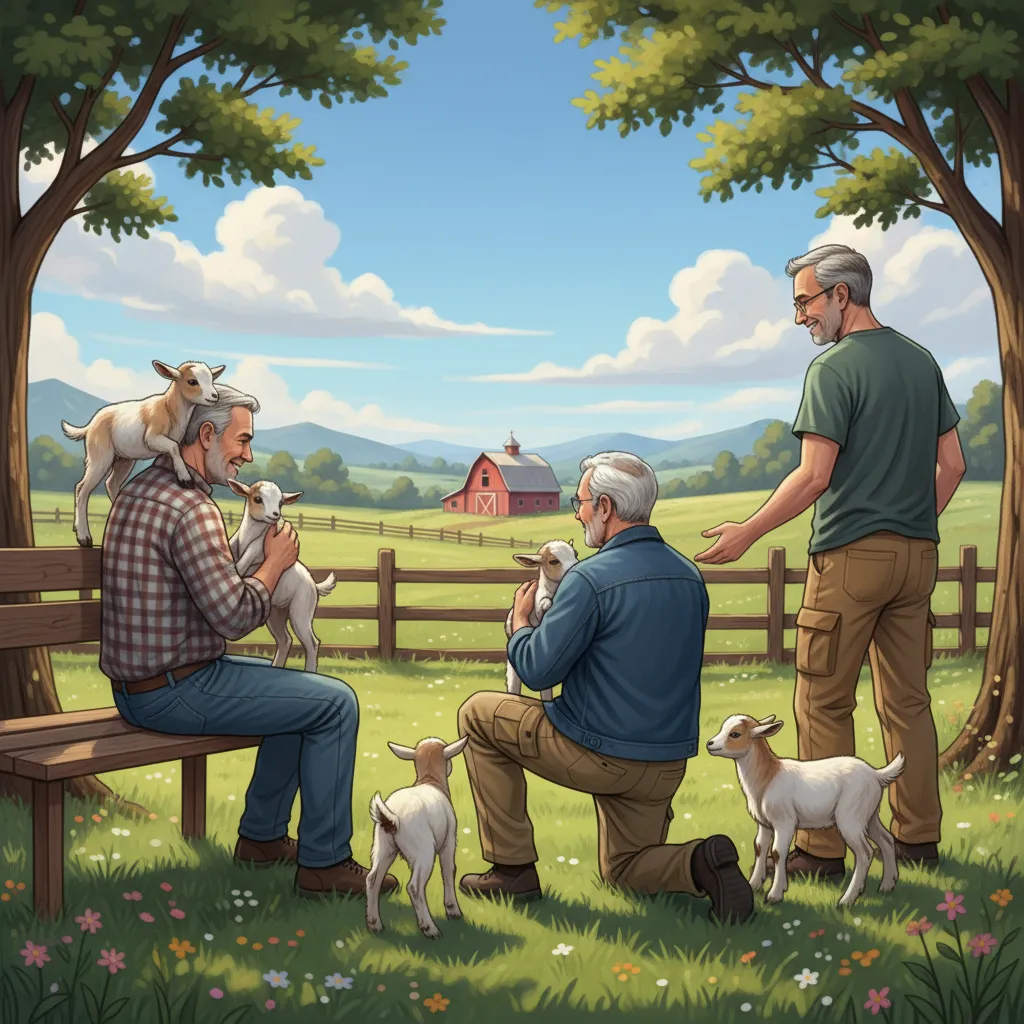
Group-based activities, like guided goat walks, add another layer of benefit. When veterans participate together, they build accountability for self-care and motivate each other to keep coming back. This peer support is vital for sustaining engagement and fighting isolation—a common challenge among rural veterans. As Proescher et al. (2020) note, the sense of camaraderie and community can be as therapeutic as the animal interaction itself.
Immediate, Organic Effects
Unlike medication, the positive effects of goat therapy can begin almost immediately. Veterans often describe these changes as feeling natural and organic, rather than forced or clinical. The combination of physical activity, nature, and animal companionship creates a holistic experience that supports both mental and physical health in a way that feels accessible and genuine.
The Future of Animal-Assisted Interventions: Where Curiosity Meets Care
The journey of animal-assisted therapy (AAT) for post-9/11 veterans in rural Michigan, as explored in this research, highlights a promising path forward—one where curiosity and care intersect to create new possibilities for healing. While the initial outcomes from programs like Dream Goats in Belding are encouraging, the field stands at a critical juncture. There is a growing consensus among researchers and practitioners that more rigorous scientific evidence is needed to fully validate these interventions. Calls for randomized controlled trials are increasing, aiming to move beyond anecdotal success and establish a robust foundation for animal-assisted therapy in clinical practice.
As interest in these programs grows, so does the challenge of scaling them responsibly. Expanding access to goat-based therapy and similar initiatives means carefully balancing animal welfare, ethical considerations, and the need for consistent funding. Ensuring that therapy animals are well-cared for and that programs adhere to ethical standards is essential for both the animals’ well-being and the credibility of the interventions. At the same time, sustainable funding models must be developed to support the long-term viability of these rural programs, especially as demand rises.
Organizations like the Wounded Warrior Project play a pivotal role in bridging the gap between isolated farms and the broader veteran community. By leveraging national networks, providing operational support, and facilitating partnerships, these organizations help ensure that innovative therapies reach those who need them most. Their involvement not only brings resources and visibility to local programs but also fosters a sense of community and belonging among veterans who may otherwise feel disconnected.
Looking ahead, the integration of creative, non-traditional therapies like goat-assisted interventions has the potential to reshape how the next generation of veterans heals. By combining the restorative power of nature, the unique qualities of animals like baby goats, and the support of community-based organizations, these programs offer a holistic approach to recovery—one that addresses both mental and physical health in ways traditional treatments may not. Continued research, ethical stewardship, and strong partnerships will be key to realizing the full potential of animal-assisted therapy, ensuring that curiosity and care remain at the heart of healing for veterans in Michigan and beyond.
TL;DR: In short: animal-assisted therapy with baby goats is sparking hope and healing for post-9/11 veterans in rural Michigan. With research backing and community initiative, playful goat interactions show promise in easing PTSD, anxiety, and depression, inviting us to reimagine what true therapy can look like.