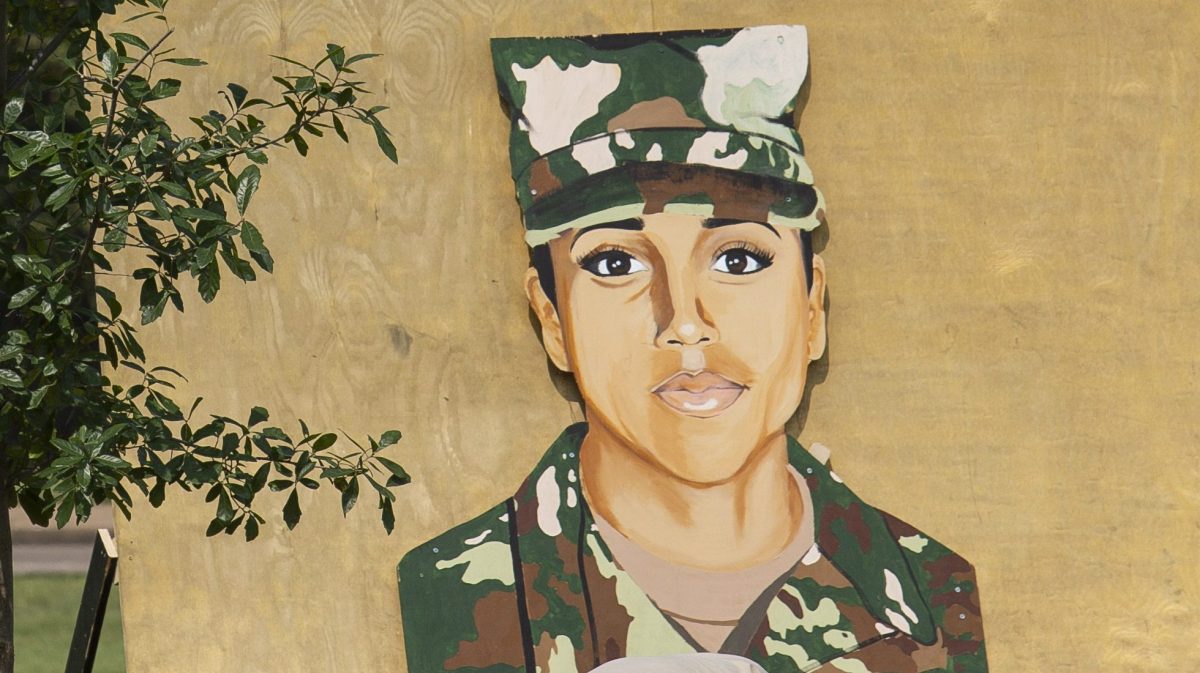
You never expect to get that call—it’s the one no military family wants. When someone vanishes on base, minutes drag into hours, and the world feels far too quiet. Not too long ago, this scenario played out for the family of Pfc. Vanessa Guillén, her disappearance serving as a gut-wrenching catalyst for sweeping changes in Army protocol. These new rules aren’t just bureaucratic adjustments—they’re an admission that old systems failed, and a promise to do better. Let’s pull back the curtain on what really changed in the wake of tragedy, and why it matters more than you might think.
From 54 Hours to 8: The Race Against Time in Missing Soldier Reporting
If you want to understand the most significant shift in the Army’s approach to missing soldier cases, you need to look at the new timelines that have replaced the old, slow-moving procedures. The tragic disappearance and murder of Pfc. Vanessa Guillén in 2020 exposed critical flaws in how the Army responded when a soldier could not be found. In her case, it took nearly 54 hours before her status was updated and law enforcement was notified—a delay that many believe cost valuable time and hampered the investigation. Today, those delays are no longer possible under the Army’s updated rules.
Immediate Action: The New Standard
Under the new Army policy, the clock starts ticking the moment a soldier is reported missing. The rules now require:
- Family notification within 8 hours: Commanders must contact the missing soldier’s family within eight hours of the initial report. This ensures loved ones are informed quickly and can provide any helpful information or context.
- Law enforcement involvement within 3 hours: Local police must be notified within three hours. This includes issuing a Be-On-The-Lookout (BOLO) alert and entering the soldier’s information into the National Crime Information Center (NCIC) database. These steps bring civilian authorities into the search almost immediately, expanding the scope and resources available.
This new approach is designed to eliminate the confusion and hesitation that plagued previous cases. Instead of waiting for evidence of foul play or voluntary absence, the Army now acts swiftly, treating every missing soldier report with urgency.
Duty Status: “Absent-Unknown” vs. AWOL
One of the most important changes is how the Army classifies missing soldiers. In the past, a soldier was often labeled as Absent Without Leave (AWOL) after 24 hours, unless there was clear evidence of involuntary disappearance. This label suggested the soldier had left on purpose, which sometimes led to less urgency in the search.
Now, commanders must update the soldier’s status to “absent-unknown” within three hours of the report. This new status means the Army does not yet know if the absence is voluntary or involuntary, but it triggers a full response, including:
- Issuing a BOLO alert to local law enforcement
- Entering the soldier’s information into the NCIC database
- Requesting “Attempt-To-Locate” support from civilian police
These steps ensure that both military and civilian agencies are searching for the missing person from the very beginning, not after a long delay.
Learning from the Past: The Fort Hood Commission
The push for these changes came directly from the findings of the Fort Hood commission, which investigated the handling of Vanessa Guillén’s disappearance. The commission found that “gaps and ambiguities in U.S. Army policies regarding the characterization of soldiers who are missing” slowed down the response and created confusion about what actions should be taken.
“The Army previously only classified missing soldiers as AWOL after 24 hours unless there was evidence of involuntary absence. This led to cases like Guillén’s being initially and inaccurately labeled AWOL, sending the wrong message and impeding the seriousness of the initial response.”
Now, the Army’s new rules require a commander to make a determination after 48 hours: if there is evidence the soldier left voluntarily, the case remains AWOL. If the situation is unclear or possibly involuntary, the soldier is officially classified as “missing.” This distinction is both practical and symbolic, ensuring that every case is treated with the seriousness it deserves.
Addressing the Risk of Self-Harm
The updated directive also includes a critical safeguard for soldiers at risk of self-harm. If a missing soldier is suspected to be in danger of harming themselves and remains missing for 48 hours, they are automatically classified as “missing.” This triggers the full range of search and notification protocols, a response shaped by cases like that of Elder Fernandes, another Fort Hood soldier whose disappearance and tragic death highlighted the need for faster, more compassionate action.
Accountability and Oversight
These new rules are not just about speed—they are about accountability. By setting clear, enforceable deadlines and involving civilian authorities early, the Army is aiming to rebuild trust with soldiers and their families. The reforms are a direct response to past failures, and they send a clear message: delays like the 54-hour wait in Vanessa Guillén’s case are no longer acceptable under current protocols.
Why ‘Absent-Unknown’ is More than a Label: Rethinking Accountability
If you want to understand the Army’s new approach to missing soldier cases, you need to look closely at the “absent-unknown” status. This is not just a new label—it is a fundamental shift in how the Army responds when a soldier cannot be located. The changes are rooted in hard lessons learned from the tragic disappearance and murder of Vanessa Guillén, whose case exposed serious flaws in the Army’s previous procedures. Now, the Army’s updated rules demand urgency, transparency, and a multi-layered response, all starting with how a missing soldier is classified.
From Delayed Action to Immediate Response
Previously, the Army’s default was to label a missing soldier as Absent Without Leave (AWOL) after 24 hours unless there was clear evidence of involuntary disappearance. This practice often led to dangerous delays and, in some cases, the wrong assumptions about the soldier’s intentions. In Vanessa Guillén’s case, this delay was catastrophic—Army police waited nearly 54 hours before updating her status and alerting law enforcement, which slowed down the investigation and left her family in the dark.
Today, the rules are very different. Commanders must now update a missing soldier’s status to “absent-unknown” within three hours of the initial report. This rapid response is designed to prevent the mistakes of the past and to ensure that every missing soldier is treated as a potential emergency from the very start.
What Does ‘Absent-Unknown’ Really Mean?
The “absent-unknown” status is more than just a box to check. It triggers a series of actions that involve both military and civilian agencies. Here’s what happens when a soldier is labeled “absent-unknown”:
- Immediate Notification: Family members must be notified within eight hours, ensuring they are not left in the dark.
- Law Enforcement Involvement: Local police are brought in within three hours, and a “Be-On-The-Lookout” (BOLO) alert is issued.
- National Database Entry: Army law enforcement enters the missing soldier’s information into the National Crime Information Center’s missing persons database, alerting civilian authorities nationwide.
- Attempt-To-Locate Requests: The Army formally requests help from local police, expanding the search beyond military channels.
This approach ensures that no time is wasted and that the possibility of foul play, self-harm, or other dangers is taken seriously from the outset. It also prevents premature assumptions of desertion or voluntary absence, which can undermine the urgency of the search and the dignity of the missing soldier.
The 48-Hour Window: Deciding Voluntary vs. Involuntary Absence
One of the most important changes is the 48-hour window for determining whether a soldier’s absence is voluntary (AWOL) or involuntary (missing). During this period, commanders must gather facts, consult with law enforcement, and assess all available evidence. If there is any indication that the absence is involuntary—or if the situation is unclear—the soldier is classified as “missing,” not AWOL.
This distinction is crucial. Labeling a soldier as AWOL too soon can send the wrong message to families, investigators, and the public. It can also slow down the search and reduce the resources devoted to finding the missing person. By requiring a careful review before making this determination, the Army is prioritizing the safety and well-being of its personnel.
Special Guidance for Self-Harm Risk Cases
The updated policy also includes clear guidance for cases where a soldier is suspected to be at risk of self-harm. If a soldier is missing for 48 hours and there is concern for their safety, they are automatically classified as “missing.” This triggers the full range of search and notification protocols, ensuring that these vulnerable individuals receive the urgent attention they need.
“These policy changes would have been profoundly helpful in similar circumstances and are both rational and necessary.” — Natalie Khawam Case, attorney for the Guillén family
Accountability and Oversight
The “absent-unknown” status is not just about finding people faster—it’s about accountability at every level. Commanders are now held to strict deadlines and must follow clear procedures. If they fail to comply, there are mechanisms for oversight and potential consequences. This is a direct response to the findings of the Fort Hood commission, which highlighted the need for stronger leadership and clearer policies.
By redefining what it means when a soldier goes missing, the Army is sending a powerful message: every disappearance is a crisis, and every soldier deserves a rapid, coordinated response. Through these reforms, the Army is working to rebuild trust, ensure transparency, and provide real accountability for its servicemembers and their families.
Learning Hard Lessons: The Fort Hood Commission, Elder Fernandes, and What’s Next
If you want to understand why the Army’s new missing soldier procedures matter, you need to look closely at the hard lessons learned from Fort Hood. The 2020 disappearance and murder of Vanessa Guillén, along with the tragic case of Elder Fernandes, exposed deep flaws in how the Army responded when soldiers went missing. These cases did not just shock the public—they forced the Army to confront uncomfortable truths about its own systems, leading to a major overhaul in policy and practice.
The Fort Hood Independent Review Commission was formed in direct response to these failures. Its findings were clear and troubling: there were systemic gaps in Army policy, and the people tasked with investigating missing soldiers were often underqualified. In fact, the commission found that 92% of Army Criminal Investigation Division (CID) agents at Fort Hood were apprentices, fresh out of training and with less than a year of experience. This lack of expertise meant that investigations were slow, mistakes were common, and families were left in the dark for far too long.
The commission’s report also highlighted how Army policies were full of ambiguities. Before these reforms, a missing soldier was usually labeled as AWOL (Absent Without Leave) after 24 hours, unless there was clear evidence of foul play. In Vanessa Guillén’s case, this led to a 54-hour delay before her status was changed and law enforcement was notified. Such delays were not just procedural errors—they were catastrophic for investigations and devastating for families. The mislabeling of cases and the slow response sent the wrong message about the seriousness of a missing soldier, and in some cases, may have cost lives.
The case of Elder Fernandes added another layer of urgency. Fernandes, who had reported being bullied and sexually assaulted, went missing for over a week before his body was found. His disappearance highlighted the dangers of both policy ambiguity and inexperience among investigators. It also showed the need for the Army to take mental health and the risk of self-harm seriously when a soldier cannot be located.
In response to these findings, Army Secretary Dan Driscoll issued a sweeping new directive. This policy, introduced in 2024, is directly shaped by the lessons of Fort Hood. It sets strict deadlines for action: commanders must update a missing soldier’s duty status to “absent-unknown” within three hours, notify family within eight hours, and involve local police within three hours. The new rules require that missing soldiers’ information is entered into national databases and that civilian law enforcement is formally asked to help search. These steps are designed to ensure that no time is lost and that the Army cannot handle these cases in isolation.
Importantly, the directive also addresses the risk of self-harm. If a soldier is suspected to be at risk and remains missing for 48 hours, they are now automatically classified as “missing,” which triggers a full-scale search and notification protocol. This change is a direct response to cases like Elder Fernandes, where delays and lack of urgency had tragic consequences.
The new policies also introduce real accountability. There are now clear expectations for commanders, and the involvement of civilian authorities means there is oversight outside the Army’s chain of command. The directive also raises the question of consequences for those who do not follow these rules, something that advocates like Natalie Khawam Case, attorney for the Guillén family, have pushed for. She has praised the reforms for their clarity and necessity, but also stressed that enforcement and oversight will be key to making sure these hard-learned lessons are not forgotten.
As you look ahead, it’s clear that the Army’s response to these tragedies is not just about changing paperwork or procedures. It’s about rebuilding trust—with soldiers, with families, and with the public. The reforms inspired by the Fort Hood commission, the cases of Vanessa Guillén and Elder Fernandes, and the voices of advocates and families, show a commitment to learning from the past. By making urgency, transparency, and accountability the new standard, the Army is taking real steps to ensure that no family has to endure the same pain again. These are not just new rules—they are a promise to do better, and a sign that the Army is listening, learning, and changing for the future.
TL;DR: The Army, galvanized by past tragedies, instituted faster and stricter protocols for missing soldiers—ensuring families are notified within eight hours, law enforcement jumps in sooner, and ambiguous absences are handled with new urgency and accountability.