Stuck in '72: The Jane Fonda Urinal Target and Other VFW Distractions Hurting Michigan Veterans' Access to Crucial Mental Health Resources.
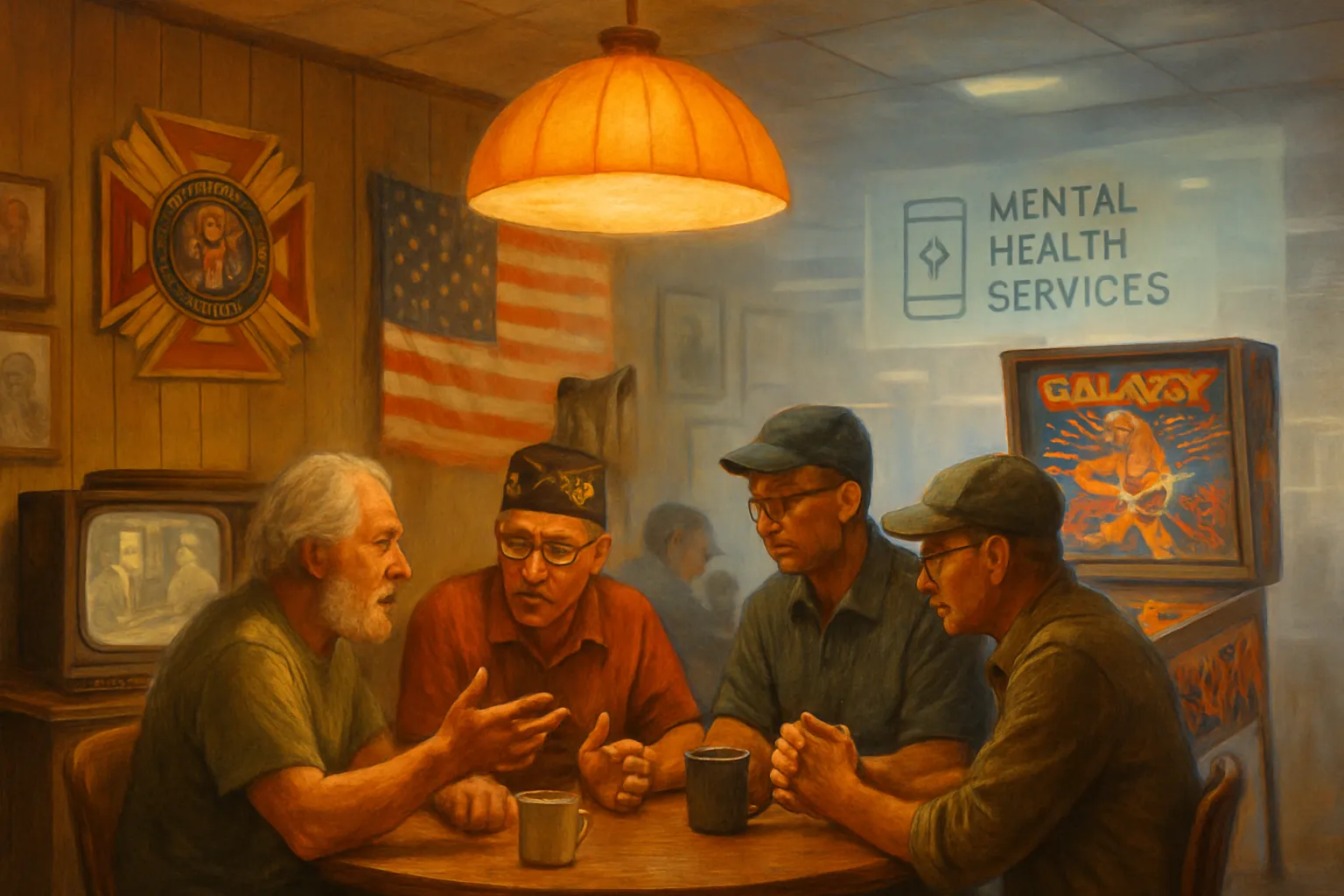
The Lansing event featuring State Rep. Jamie Thompson and the VFW, ostensibly held to champion veteran mental health, was not a demonstration of support—it was a devastating indictment. The very presence of the VFW, a relic of legacy organizations, exposed a generational betrayal. This organization, which claims to champion wellness, maintains an outdated operational model that actively fails and alienates the post-Vietnam veterans desperately seeking community. The truth is that the crisis is not merely a lack of clinical care, but a systemic failure of cultural competency and generational understanding that renders most local posts irrelevant to the modern warrior (Campbell, 2020).
1. The Generational Chasm: Bingo, Fish Fries, and Insult
The fundamental issue is that the VFW and American Legion's primary operational model in Michigan is fundamentally behind the times. They are structured as social clubs for an aging demographic, not as responsive support centers for modern warriors.
A Misplaced Priority: The vast majority of resources, time, and attention at the local post level are dedicated to revenue generation through legacy events like bingo, fish fries, and casino field trips. While these activities are intended to raise funds, they have become the mission, overshadowing the core purpose of veteran support. This prioritizes maintaining the physical structure and social calendar of the past over adapting to the contemporary crisis of veteran well-being.
The Cultural Competency Void: The current atmosphere in many posts lacks the cultural sensitivity required to engage veterans under the age of Vietnam. This leads to insult, misunderstanding, and outright alienation, where post-9/11 veterans seeking genuine connection or mental health support are often met with dismissive attitudes, minimizing of their service, or a refusal to recognize the legitimacy of modern combat stress and PTSD. Bridging this profound military-civilian cultural gap is recognized by Michigan organizations (like INVESTVets) as a primary challenge to successful veteran reintegration (INVESTVets/Michigan Department of Health and Human Services, 2021). Furthermore, studies show that overcoming PTSD requires a shift away from institutional barriers and towards wellness-based, peer support programs that foster community and connection, which the current VFW system often fails to scale locally (House Committee on Veterans' Affairs, 2017).
A "Constructive Conversation" is Not Intervention: The Lansing event is framed around a conversation concerning medication-related suicides. While raising awareness is useful, this advocacy approach distracts from the VFW's failure to provide culturally competent local support. The organization is attending a discussion about a crisis it is largely unable to practically solve due to its own outdated local culture.
2. The Stigma Symbolism and Local Post Isolation
The operational environment of many local posts actively encourages stigma and drives away the very veterans the organization claims to serve, making psychological safety impossible.
The VFW as a Symptom, not a Solution: Local posts are often seen by younger veterans as exclusive social clubs for an older generation. By highlighting external nonprofits like Downriver for Veterans (who provide the actual emergency funds for rent, utilities, and car repairs), the press release inadvertently reveals the VFW’s organizational gap: it does not handle the critical, immediate needs that prevent veterans from spiraling into crisis. Downriver for Veterans explicitly focuses its resources on providing emergency funds for essentials like rent, utilities, car repairs, food, and household goods—direct interventions that stabilize life and prevent mental health crises from escalating (Downriver for Veterans, n.d.). This starkly contrasts with the VFW’s primary function of social fundraising.
Visual Hostility: This institutional crisis occurs against a backdrop where many VFW posts across Michigan still harbor outdated, anti-therapeutic attitudes. The continued, socially-sanctioned display of historical grudges—such as a Jane Fonda target in a VFW urinal—is a silent but profound statement to a modern veteran (Stilwell, 2025). This symbol of lingering bitterness and past conflict is the antithesis of the psychologically safe, non-judgemental space required for a veteran dealing with PTSD to seek help. This actively reinforces the military stigma against asking for help, especially considering the longevity of the outrage, which persists among veterans who were not even born when Fonda visited North Vietnam (Stilwell, 2025). This historical animosity, which the VFW itself stoked by calling for her to be tried as a traitor during the war, remains a tangible barrier to psychological safety today (Time Magazine, 2018).
Conclusion: An Organizational Crisis of Relevancy and Respect
The Lansing event confirms a painful truth: the VFW in Michigan is not in a position to lead the mental health fight because its local posts are culturally and operationally irrelevant to the majority of veterans who have served since Vietnam. They are stuck prioritizing bar revenue and social events over meaningful, competent peer support.
If the VFW wants to be taken seriously as a partner in solving the veteran suicide crisis, it must radically overhaul its local culture, eliminate outdated displays of animosity (like the Jane Fonda target), dedicate resources to certified and culturally competent peer support programs, and stop confusing a legislative photo-op with the provision of life-saving mental health care.
It's time for the VFW to move beyond the bar, the bingo hall, and the political stage, and focus on building the kind of inclusive, responsive community that today's veterans actually need.
References
Campbell, A. L. (2020). An exploration of human connection and its relation to veteran dis-ease [Doctoral dissertation, ProQuest].
Downriver for Veterans. (n.d.). Services we provide. Downriver for Veterans Website.
House Committee on Veterans' Affairs. (2017). Overcoming PTSD: Assessing VA's efforts to promote wellness and healing. GovInfo.
INVESTVets/Michigan Department of Health and Human Services. (2021). Michigan military veteran family resources. Operation We Are Here.
Stilwell, B. (2025). The real story of Jane Fonda and the Vietnam vets who hate her. We Are The Mighty.
Time Magazine. (2018). The complicated story behind Jane Fonda's 'Hanoi Jane' nickname. Time Magazine.